
Thread Cutting
Sep 17, 2026
In the manufacturing process, not every part cannot be produced from a single block of raw material. Often times, several jigs and fixtures or machined parts are used for an assembly. It can be two, three or more parts. These parts should be joined together to complete the final production.
There are several methods to join these parts together. Some of these methods include welding, riveting and fastening (using bolts and nuts). Depending on the nature of the assembly and what it is used for, different joining methods are chosen. For example, should an assembly part be required to be separated from time to time, this would make the welding or riveting methods unsuitable.
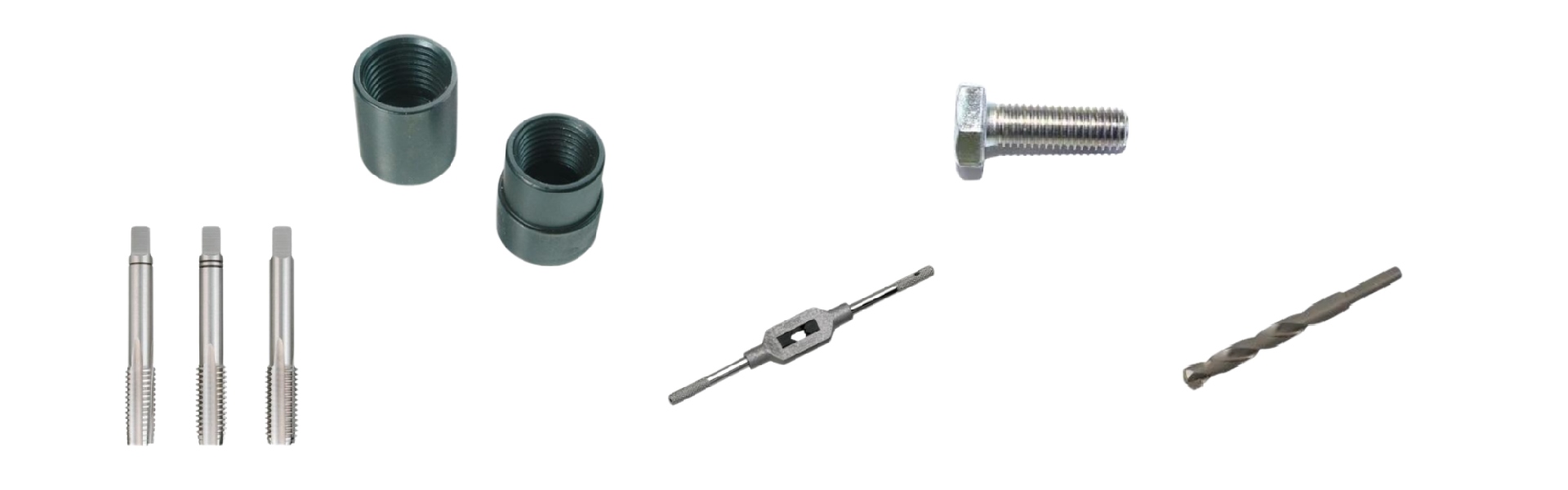
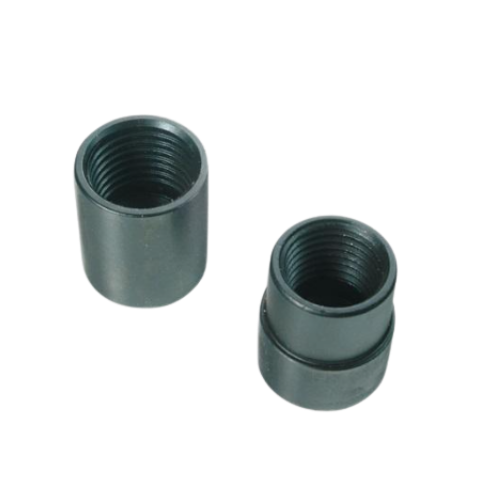
There are generally two types of threads, and they can be classified as internal threads and external threads. Internal threads refer to threads that are usually formed inside a threaded hole and are also commonly referred to as Female threads. External threads are threads that are formed on the external surface of a work piece (usually a shaft, so as to form a screw-patterned structure), and are known as Male threads. Please see the pictures below for examples of internal and external threads.
 |
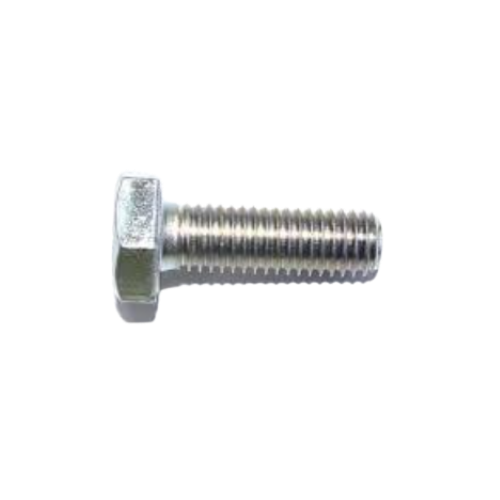 |
| Internal threads on bushings | External threads on a screw |
Thread formation
To form internal threads, cutting taps (or simply “taps” as they are commonly known) are used.
 |
 |
 |
|
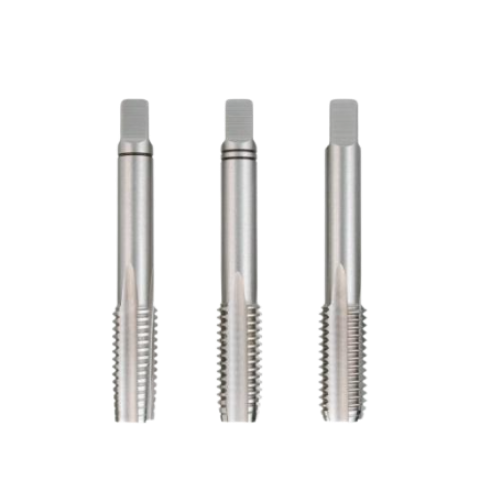
A tap set. Tap sets usually come in sets of 3, and contain Taper, Plug and Bottoming taps. |
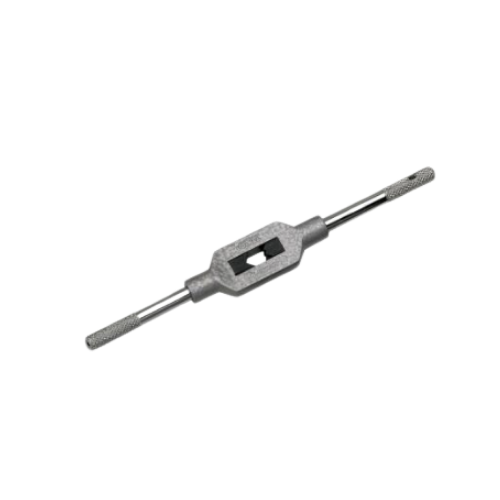
A tap wrench. Tap wrenches are available in different sizes, and must be chosen depending on the size of the shank. |
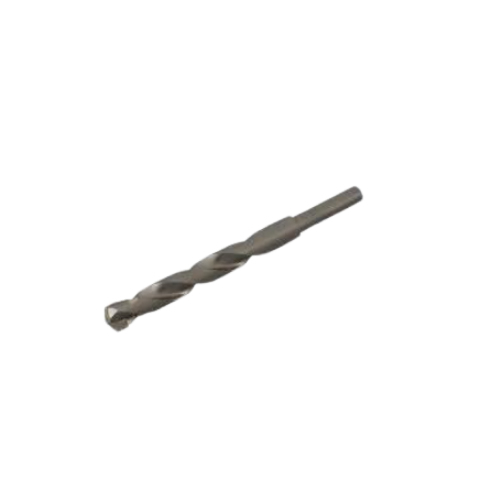
A drill bit. Drill bits are sometimes needed to remove excess material or chips from threaded holes. |
Internal thread cutting
Hand taps are used in this process. Taps are usually made with high quality Carbon or High-speed tool steel and hardened. Two or three flutes lengthwise across threads can be seen in a tap to provide room for chips removal and allow cutting fluid to lubricate tap. The end of the shank is square in shape so that a tap wrench can be used to turn the tap into the hole.
Hand Taps
Taper
As the name suggests, Taper taps are tapered from six threads from the end .These taps are used at the beginning of the tapping process and can be used for tapping through holes and blind holes. Their main purpose is to create the initial threads, and hence, reduce the stress load on the Plug and Bottoming Taps.
Plug
Plug Taps are tapered for three threads from the end, and are most commonly used for tapping through holes. However, should there be blind holes that have enough chamfer space, Plug Taps may be used as well.
Bottoming tap
These taps are not tapered but chamfered to the last thread. It is used for threading till the bottom-end of blind holes.
The Tapping Process
To begin the tapping process, we will need a drill bit, the above listed taps and a tap wrench. Taps are very hard and brittle, and may break during tapping. Before cutting the internal threads, it is necessary to drill a hole in the work piece to the correct diameter, depending on the size and tolerance*.
*Hole dimensions of a fixed size can have different tolerances. For example, a 10-32 UNF threaded hole can have 2B or 3B tolerance. Taps can be manufactured to such required tolerances.
Steps in hand tapping
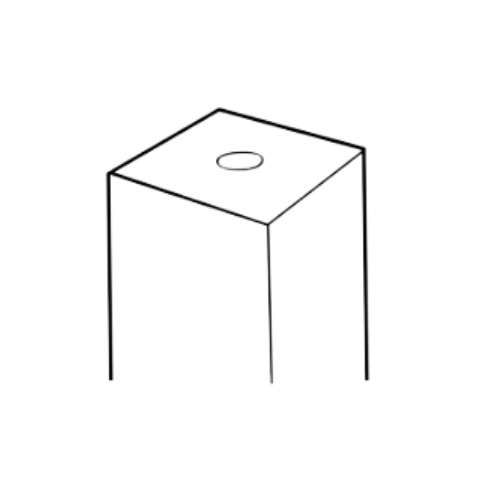 |
1. Analyze the hole size and dimension to select the correct drill and tap. |
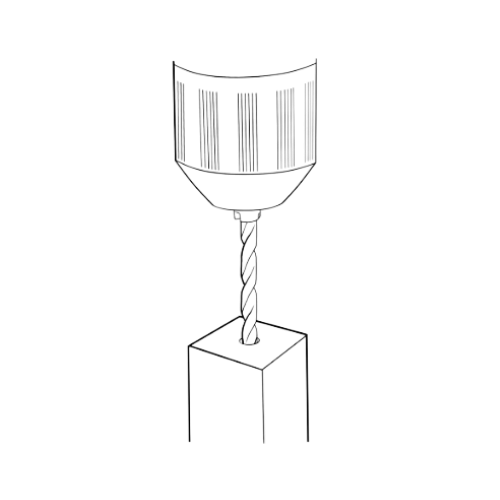 |
2. Select the drill and position it at a 90⁰ right-angle. It should be perpendicular to the work piece. Before drilling, it is recommended to apply some cutting fluid. |
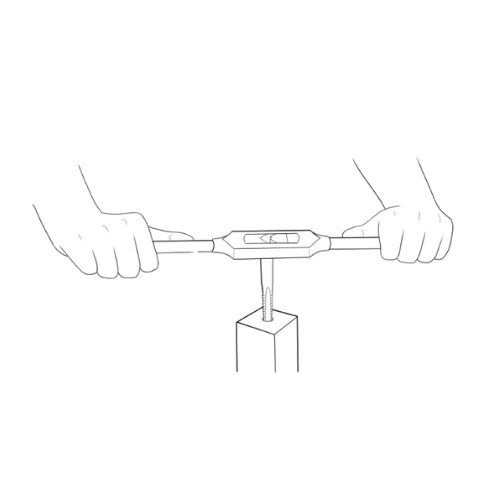 |
|
| 3. A tap should be placed vertically in the hole, also at a 90⁰ right-angle. Before tapping, add some cutting fluid. Turn clockwise for right-hand thread (anti-clockwise for left-handed thread), all the while applying a pressure on the wrench arms, not vertically down on the tap. The tap should cut in a horizontal motion and guide itself into the work piece based on the cutting threads. Turn the wrench in a stop-start motion. Move the tap clockwise to cut the material, and anti-clockwise for chip removal. | |
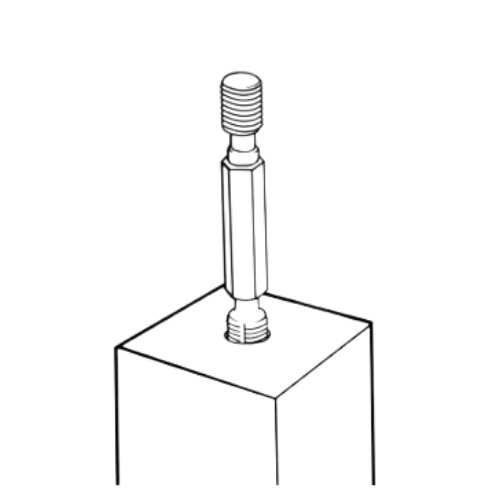 |
4. Using a thread plug gauge, check the hole to make sure that it is tapped to the right diameter and tolerance. The gauge should also sit vertically at a 90⁰ right-angle. Repeat the tapping process if necessary. |


10 Ubi Crescent #01-80 Lobby E, 408564, Singapore

(65) 6743 4155

(65) 6743 4155

sales@thorintl.com

Mon - Fri: 9am - 5pm
Sat - Sun: Closed


MRT
Take the appropriate MRT line to the nearest station, then continue your journey by bus, walking, or a taxi/ride-hailing service.


Bus
Check the bus services near the company’s location, board the relevant bus, alight at the nearest stop, and walk a short distance to the office.